Did you know that there are invisible threats that can attack your packaging.
There are hidden risks within long-distance shipping, especially when shipping items to damp locations. These hidden risks can be a bit of a problem for some companies.
Fungal growth is one of them. With fungi, if that grows, it can destroy or mar the packaging, and will in turn, make things unsafe, especially food items. Customers will need to throw it out if that’s the case.
Another is moisture damage. Packaging that is damaged by moisture will have the outer layer ruined, which will in turn affect the interior contents inside. If you’re not careful, you’re going to have problems with the strength of such materials.
Odor retention as well. With odors, these can get pretty pungent, and it can turn off customers, especially for retail sales.
These all happen during long-distance shipping, but there are ways to prevent it, which we’ll go over here.
Packaging with Anti-Microbial Properties
A lot of silver-infused linings are used, because these linings are made with silver, and tend to be strong and antibacterial. Again, silver is the best for mitigating virus and fungal damages in many cases.
Desiccants are also good for this, as they reduce the odors from touching the packaging, and improves the freshness too.
If you’re able to afford it, then you can also get some anti-fungal wraps. These are wraps that stop fungi from spreading and getting onto the packaging itself, designed to fight even the worst of molds and mildews that are out there.
Designing for Storage Durability
Many times, they also are put in various items in order to improve the durability of such items.
3D printing filament for instance, will use desiccants to help with improving the length of such. This is especially true when sitting in warehouses. Though one example, many other companies use this in other such items too.
Archives, such as old books and such, need this type of protection, especially from mildew and other fungi that will break this down.
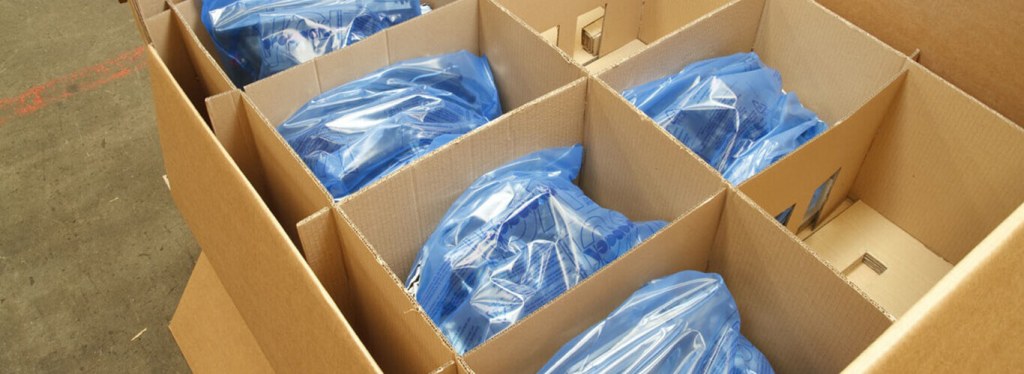
Collectibles may have some desiccant packets thrown in there to keep them nice and protected.
Slow-sale items that won’t go bad, but may break down if they get water damage, also use this.
All of these come together to help with improving the protection against such threats, and thereby improving the packaging experience.
Ecofriendly Anti-Mold Options
There are some natural antifungal elements that are worth looking into that will help with improving your packaging experience.
One such example is paperboard. This type of packaging is used to help protect the items, and will in turn, help to improve the packaging protections. All of these treatments will help with prevention of the spread of fungi, and protecting the packaging from these elements as well.
This, along with some other ecofriendly items such as cloth wraps and some natural antifungal protectors, help to eliminate the risk of this.
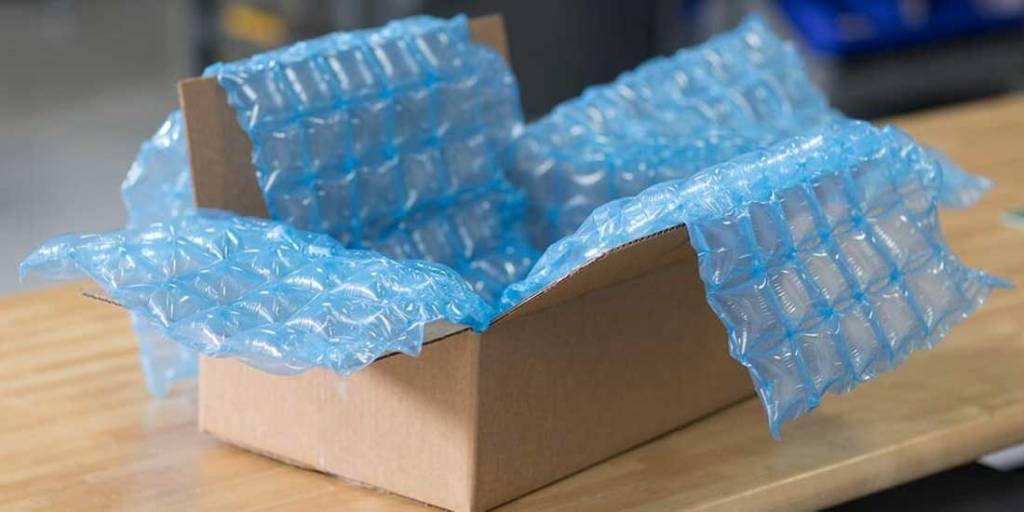
Mildew, fungi, mold, and bad smells are very common with some long-term shipments and without the adequate protection, these can get real bad, real fast. by taking care of this now, offering some solutions that protect from fungi and bacteria, you’ll be able to fight all of this, and offer a stronger packaging experience for all that are involved. By doing such, your packaging will be better protected, and as a customer, it will mean that the company cares.
So start to use this today, and see for yourself just how magical antifungal packaging is, and how, by doing this, you’re able to fight even the dirtiest microbes out there too.






 Custom Box Business